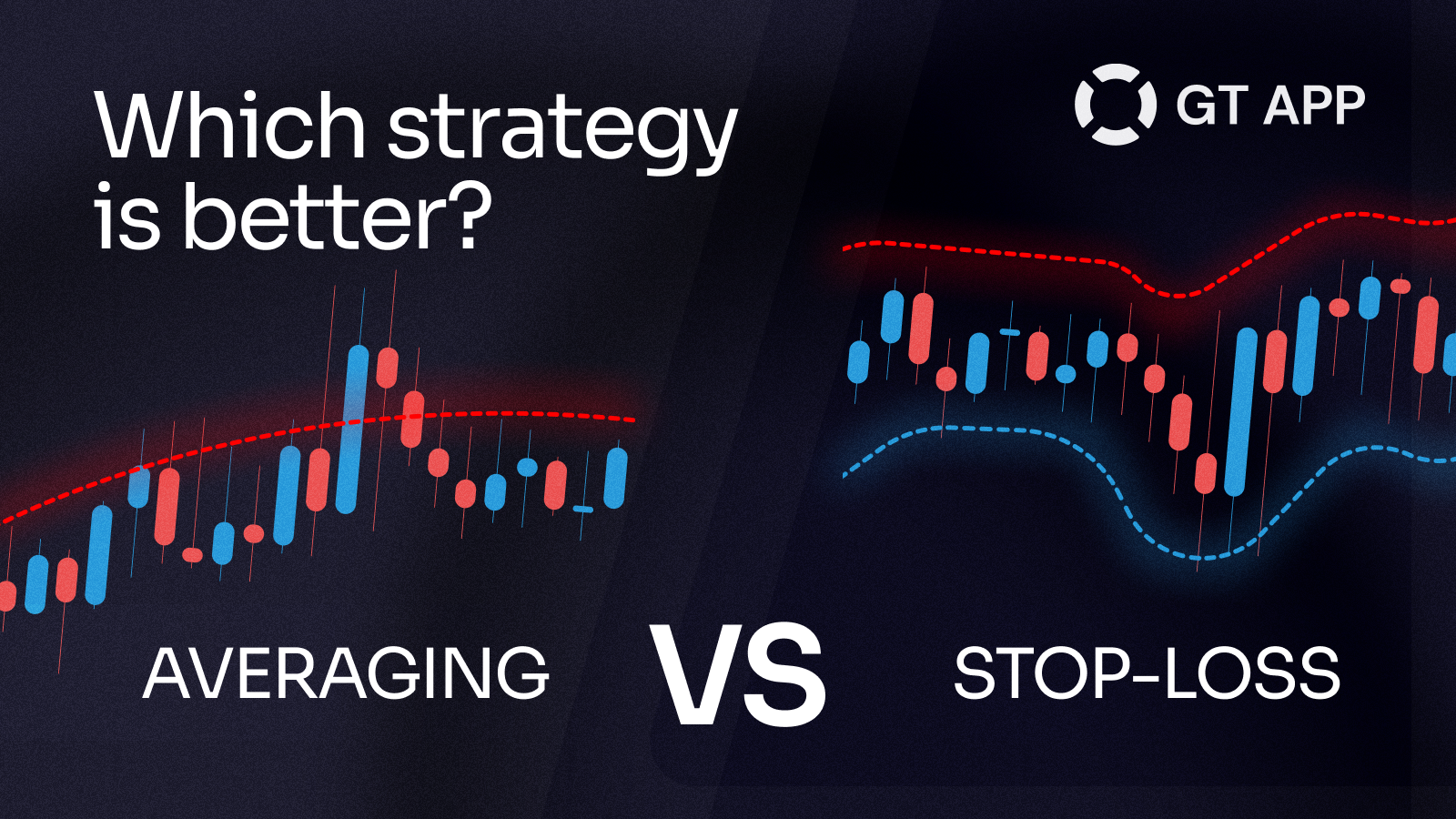


In cryptocurrency trading, two strategies stand out for their ability to manage risk and enhance profitability: the Stop-Loss strategy and the Dollar-Cost Averaging (DCA) strategy. Both approaches have their advocates and critics, and both can be highly effective in the right circumstances.
In this article, we’ll dive deep into each strategy, examining how they work, their advantages and disadvantages, and provide insights to help you decide which strategy aligns with your trading style and risk management preferences.
Stop-Loss Strategy: Your Safety Net in Volatile Markets
The Stop-Loss strategy is akin to a safety net, designed to protect your capital from significant losses. It involves setting a predetermined price level at which your position will be automatically closed, thus limiting your potential loss on a trade. Here’s how it operates:
- Mechanics of Stop-Loss: Traders set a Stop-Loss order at a price below the purchase level for a long position, or above it for a short position. If the market price hits this level, the trade is closed out, preventing further losses.
- Risk Management: The primary advantage of a Stop-Loss is clear risk management. By setting a Stop-Loss, traders can determine their maximum loss upfront, making it easier to manage potential downside.
- Market Psychology: Stop-loss orders can also prevent emotional decision-making. In a rapidly falling market, the pressure to ‘hold and hope’ can lead to larger losses, but a Stop-Loss enforces a disciplined exit.
DCA Strategy: Turning Market Volatility into Opportunity
Conversely, the Dollar-Cost Averaging strategy takes a more gradual approach to market entry:
- Averaging Down: This tactic involves buying additional assets as the price declines to reduce the average cost per unit. This can be beneficial in a rebounding market, where the reduced average cost can lead to profits if the price recovers.
- Averaging Up: Less common, averaging up is buying more of an asset as its price increases, to ride the momentum. This approach assumes that the price will continue to rise and aims to capitalize on the trend.
Choosing the Right Strategy: Context is Key
The decision between employing a Stop-Loss or DCA strategy is not a one-size-fits-all. Here are several factors to consider:
- A Stop-Loss might be preferred in a market that is expected to be highly volatile or bearish, as it can protect from downside risks. Averaging might be more effective in a generally bullish market or when a temporary downturn is expected.
- If you’re risk-averse, a Stop-Loss strategy might suit you better. It provides certainty and control over your potential losses. If you have a higher risk tolerance and more capital to invest, averaging could be a more profitable strategy in the long run.
- For short-term traders, a Stop-Loss can be crucial to protect from sudden market moves. Long-term investors might prefer averaging, as they can weather short-term volatility for potential long-term gains.
- Averaging requires additional capital to invest as prices move. If you have limited capital, a Stop-Loss ensures you don’t commit more than you can afford to lose.
Conclusions
Both Stop-Loss and DCA strategies have their place in a trader’s arsenal. The choice between them should be influenced by your individual trading style, risk tolerance, capital availability, and your analysis of the market conditions. By understanding both strategies and applying them judicially, you can navigate the crypto markets with greater confidence and efficacy.
Remember, the GT APP offers tools that facilitate both strategies, giving you the flexibility to adapt to the market’s movements and your trading preferences. Whether you’re setting a Stop-Loss to secure your positions or averaging your way to a cost-effective portfolio, GT APP supports your strategic decisions every step of the way.
Pick a free 3-day trial GT APP membership to discover the experience of automated and safe trading using trading strategies for greater results.
Don’t forget about our essential links: